
When Parents Won't Let Go: Managing Over-Involvement in Music Lessons
When parents won't let go: managing over-involvement in music lessons
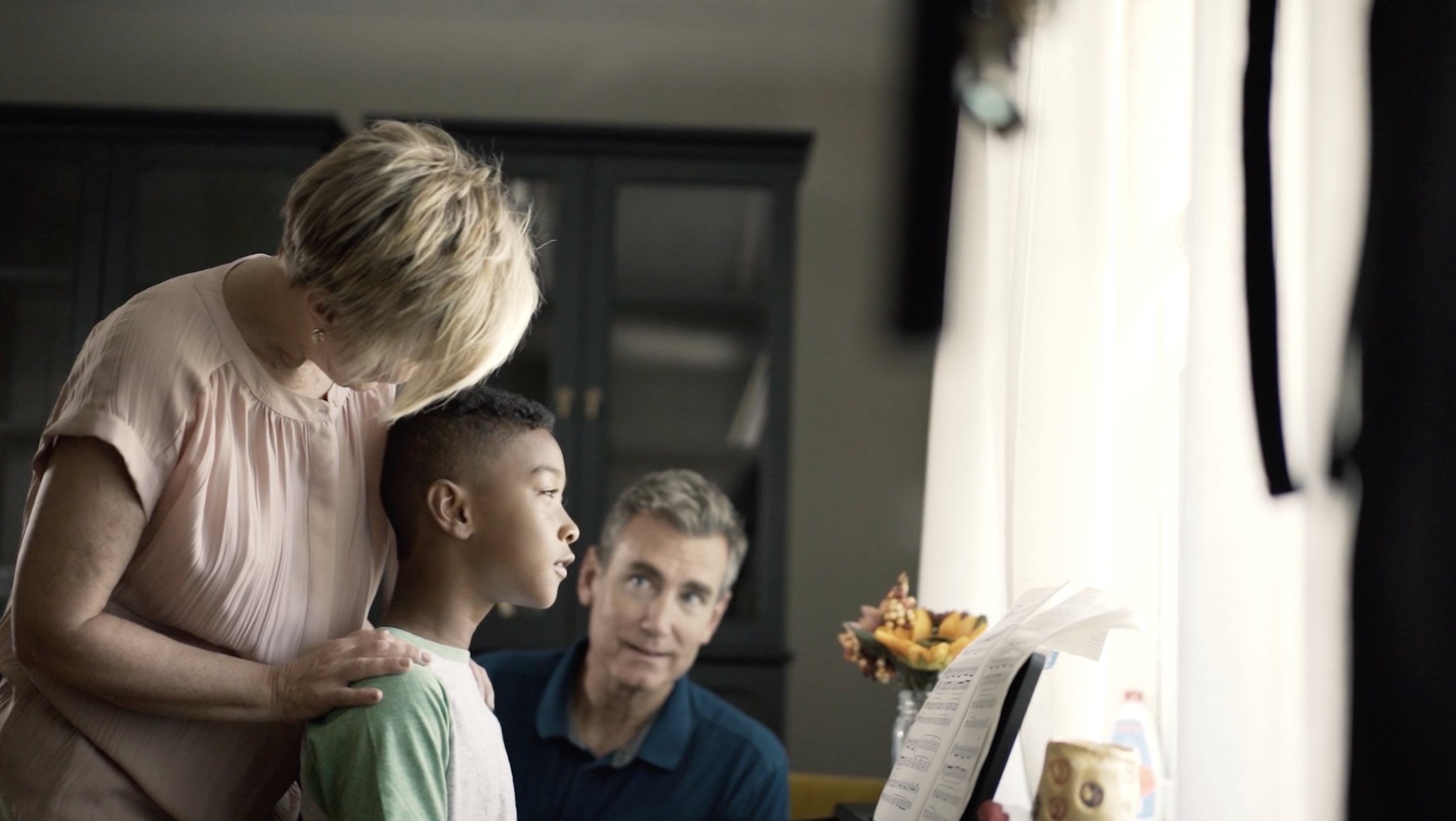
You're mid-lesson with a six-year-old. You ask her to try the passage again. She looks up - not at you - but at Mum, sitting in the corner, who gives a small nod. The child turns back to the piano. You give a gentle correction. The tears start. Mum leans forward.
If you've been teaching for more than five minutes, you've met this family. And you've probably felt the particular helplessness that comes with it: you're trying to teach the child, but the child doesn't really need to respond to you, because Mum is right there and Mum is the one who matters.
This is one of the trickier situations in private music teaching, because it usually comes from a place of good intentions, but it isn't always obvious to the parent that it can be unhelpful. And it doesn't make the parent bad people or bad parents, and it doesn't mean the children are impossible, but it's a dynamic that you need to try to shift if you want the student to move through their lessons successfully and begin to make progress independently.
What's actually happening
When a parent steps in quickly, answers for their child, or responds to every correction with a reassuring touch or word, they're trying to help. Most of them genuinely believe they're being supportive. And in many areas of their child's life, they probably are.
But in a lesson, that kind of immediate rescue has a specific effect: it teaches the child that they don't have to sit with discomfort, work through a difficult moment, or respond directly to the teacher. The teacher becomes, in a sense, optional. A third wheel. Someone the child will eventually engage with, once Mum has processed the interaction first.
A parent who jumps in every time their child struggles isn't supporting their child through difficulty - they're removing the difficulty before the child has a chance to meet it. Over time, the child stops expecting to meet it at all.
This matters especially in music lessons, where so much of the learning happens in exactly those small moments of discomfort: when a passage doesn't come out right, when a correction lands, when you have to try something again. Remove those moments and you haven't made the lesson easier - you've made progress impossible.
The practical fix: change the geometry
The single most effective thing you can do is physical. Move the parent out of the child's sightline.
This doesn't mean sending them out of the building, though for older children that is often the right call. It means asking them to sit behind the child, or at the side of the room, somewhere the child has to actively turn away from the piano to make eye contact. That small change in geography can dramatically change the dynamic of a lesson, because the child can no longer look to the parent for a reaction to every instruction.
When you ask a parent to move, frame it constructively. Something like: "One thing I find really helps at this age is if you sit just behind her - it gives her the chance to focus on me without the distraction. You'll still be able to hear everything." Most parents will agree readily, because you've given them a reason that makes sense.
If a parent struggles even with that - if they keep leaning in, chiming in, whispering - it's worth having a direct, private conversation. Not a confrontational one. Just an honest one: "I find that when children can rely on me as their only source of instruction in the lesson, they build independence and confidence much faster. I'd love to try a couple of lessons with you sitting just outside - I can always pop out to chat if necessary."
When it's more than just a hovering habit
Sometimes the dynamic goes deeper. There are families where the parent's anxiety about their child's performance is the actual driver - they're not just hovering, they're managing their own discomfort through their child. And there are children who have learned, very thoroughly, to outsource their emotional regulation to the adults around them.
In these cases, the most well-meaning interventions - more stickers, softer tone, more games - may help briefly but won't shift the pattern. The crying or the shutting down isn't a response to the difficulty of the lesson - it's a signal that the whole setup doesn't work for this child yet.
That's a harder conversation to have. But it's an honest one, and it's worth having early. Waiting until four, five, six lessons have gone by doesn't make it easier - it just means more frustration for everyone.
If you need to have it, be kind and be specific. Something like: "I want to be honest with you because I think it will actually help her. Right now, I'm finding it hard to build the kind of teaching relationship with her that she needs, partly because she's so young and partly because the lessons feel distressing to her rather than enjoyable. I don't think that's what anyone wants. I'd like to try a few sessions with you outside the room - and if she's still finding it really hard after that, it might be worth waiting another six months or a year until she's a bit more ready."
The question of expectations
One pattern that tends to make everything harder is ambitious long-term goals for very young beginners. When a parent arrives at the fourth lesson talking about exams and competitions and selective school auditions, something worth noting: those paths exist, but they require the child to be able to receive correction, work through difficulty, and respond to a teacher directly. If those things aren't in place yet, the destination doesn't really matter.
Sometimes the kindest thing you can do for a family like this is gently redirect: "She's four weeks in. Right now, the most important thing is that she enjoys coming and starts to feel at home with me. The rest will follow from that, if the foundation is right."
It's not about the parent being difficult
Most of the parents who fall into this pattern are doing exactly what they think a good parent does: staying close, staying involved, protecting their child from failure or frustration. They're often not aware of the effect their presence is having - they haven't been in a music lesson as the child's teacher, only as the child's parent.
When you approach it from that angle - as something you're working on together, not something they're doing wrong - you'll usually find more openness than you expected. Parents who feel blamed get defensive. Parents who feel like a partner in the process are more receptive to suggestions.
And ideally, they'll get to the point where they can sit back, watch their child problem-solve on their own, and see their child look to you for the next instruction instead of to them. And if you've helped coach the student and the parent to get to that point, they'll be more likely to understand why it matters.
It just takes a little patience to get there.